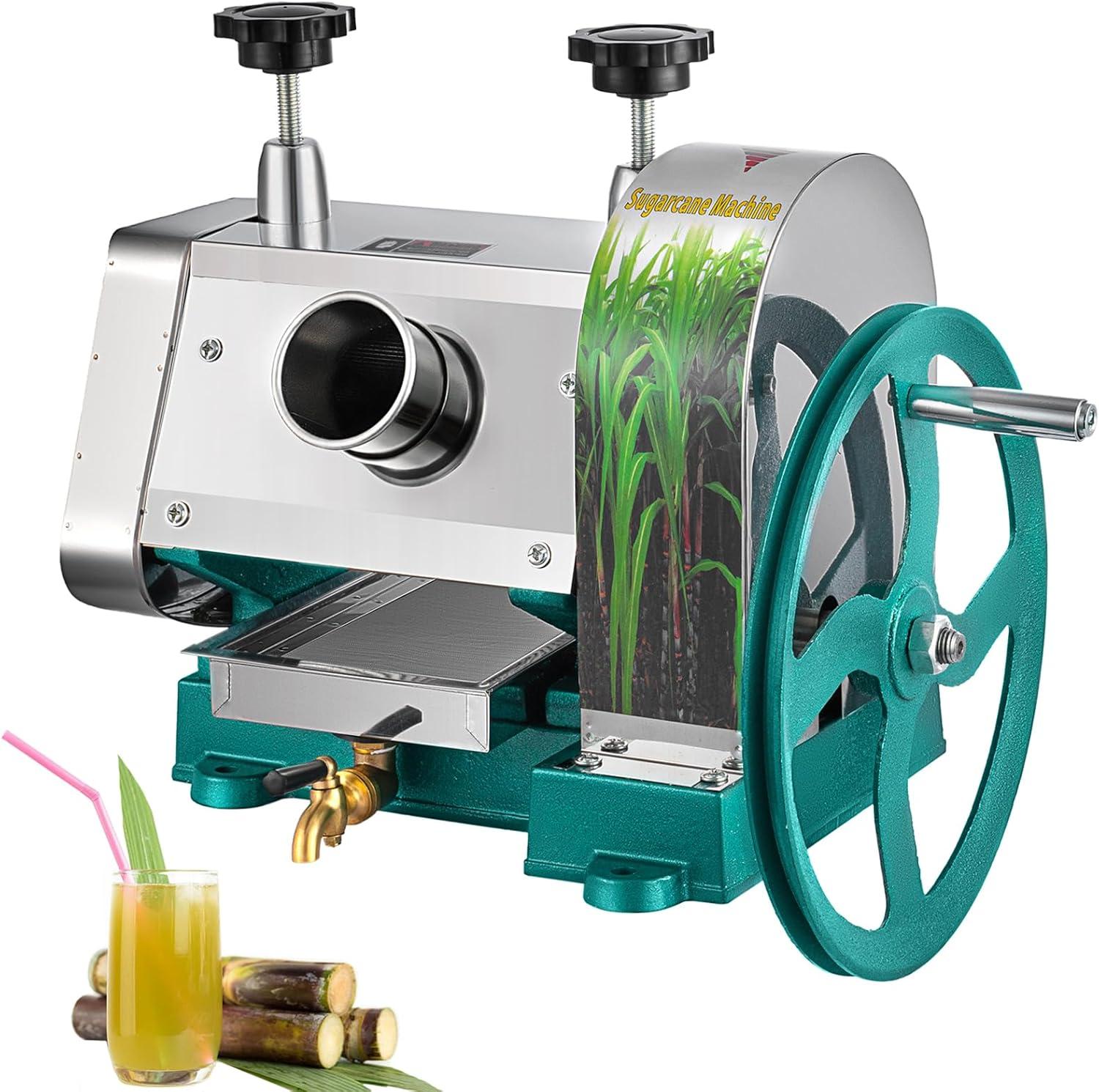
When we frist unboxed the Manual Sugar cane Juicer, Commercial Sugar Cane Press Stainless Steel 3 Rollers 2.5″ Inlet 110Lbs Output Capacity per Hour Sugarcane Extractor, it felt like bringing a small piece of a tropical street market into our kitchen. The machine’s three stainless-steel rollers and wide 2.5″ inlet promise efficient extraction, and that promise held true during our hands-on time: the crank and gearing chewed through stalks with surprising ease and delivered a steady stream of bright, sweet juice. Rated for roughly 110 pounds per hour, it’s undeniably built with quantity in mind – whether your serving a weekend crowd or experimenting with sorghum and corn.
Functionally, the juicer is straightforward and satisfying. The large hand crank and internal gearing save effort compared with cheaper mills, the brass tap and wide discharge made collection tidy, and the included stainless strainer left juice clear and drinkable without extra fiddling. Cleanup was mostly painless – a good rinse and a fast wipe got us back to work – and the option to motorize the unit (if you choose) adds future-proofing for heavier use.Having mentioned that, our experience mirrored what other users have reported: the core crushing parts feel stout and work very well, but some of the outer sheet-metal components are thin and the whole unit is hefty to move. The manufacturer touts stainless construction and rust resistance, yet we and several customers noticed early signs of corrosion if the machine was left exposed. In short, this is a capable, value-oriented mill that extracts excellent juice, but it rewards owners who are willing to maintain it and baby it’s outer trim. Read on and we’ll take you through setup, real-world output, cleaning, and whether this press fits your needs.
Our Overview of the Manual Sugar Cane Juicer and Why We chose it
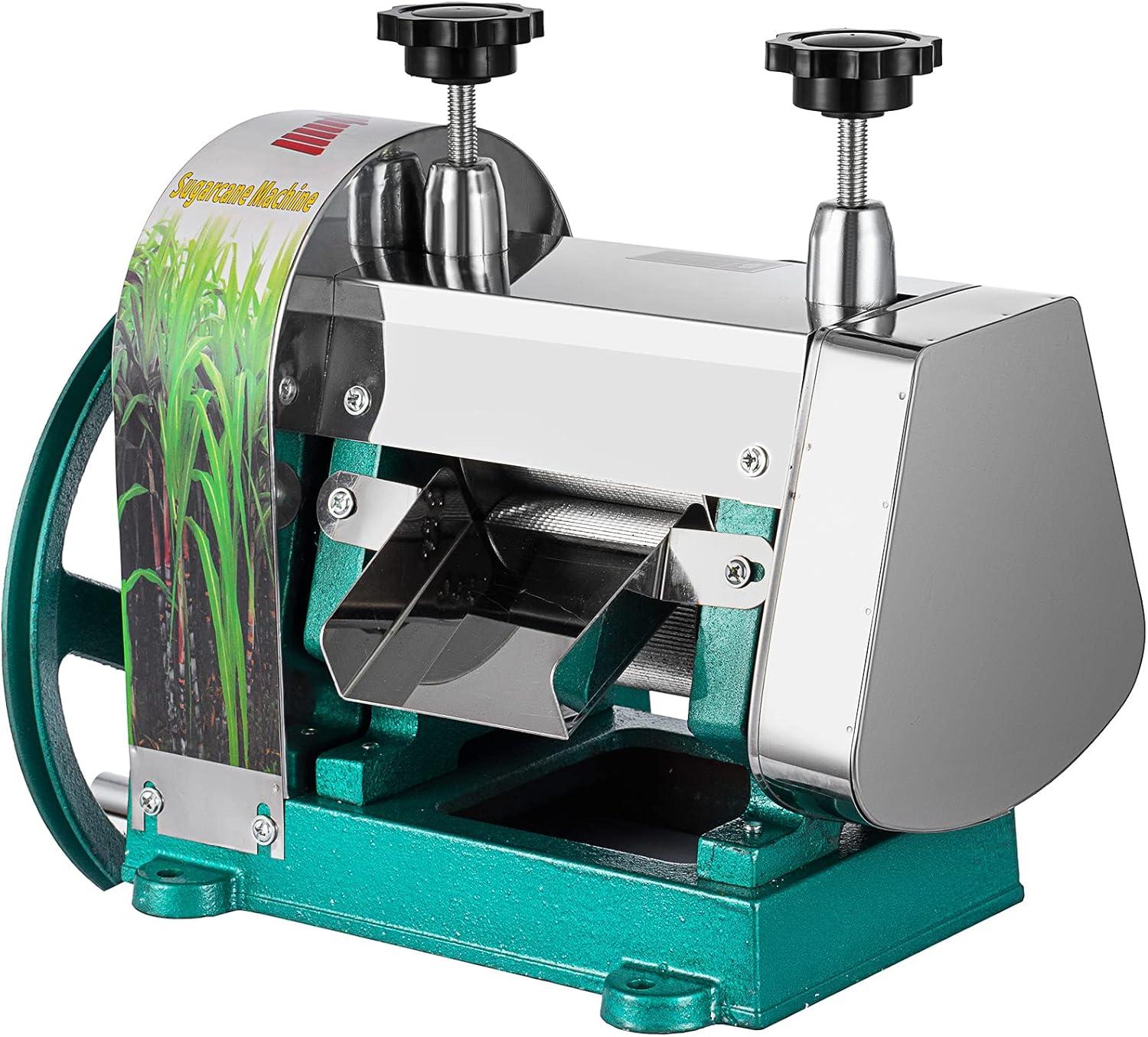
Our quick take: this machine earned our pick because it squeezes out maximum juice with minimal fuss while remaining remarkably affordable. We were drawn to the three stainless rollers and the large-diameter hand crank that let us extract sweet, clear juice without electricity, and the separate transmission/juicing design appealed to our hygiene-first approach. In real use we appreciated the brass tap and wide discharge that make collection and cleanup straightforward, and the option to motorize (with professional help) gives the unit surprising versatility for heavier workloads. Having mentioned that, we didn’t ignore common caveats: external sheet metal can feel flimsy, some buyers saw early rust or sharp edges, and the weight makes single-person handling awkward. To be clear, we chose it because the trade-offs favor performance and value for small businesses and serious hobbyists alike.
We summarized the reasons we selected it and what to watch for so you can decide quickly:
- Why we like it: three powerful rollers, efficient extraction,easy-to-read tap, and simple setup.
- What to watch: address sharp edges before heavy use, dry and oil parts after cleaning to reduce rust, and consider bolting it down for stability.
| Quick Specs | Why it mattered to us |
|---|---|
| 3 stainless rollers | Consistent, high-yield extraction |
| 2.5″ inlet | Handles whole stalks or split cane |
| ~110 lb/hr capacity | Practical for small commercial or weekend batches |
If you want the same balance of raw squeezing power and sensible price we prioritized, take a look and decide for yourself: Check it out on Amazon
What We Noticed About the Stainless Steel Construction, Robust Inlet and High Throughput
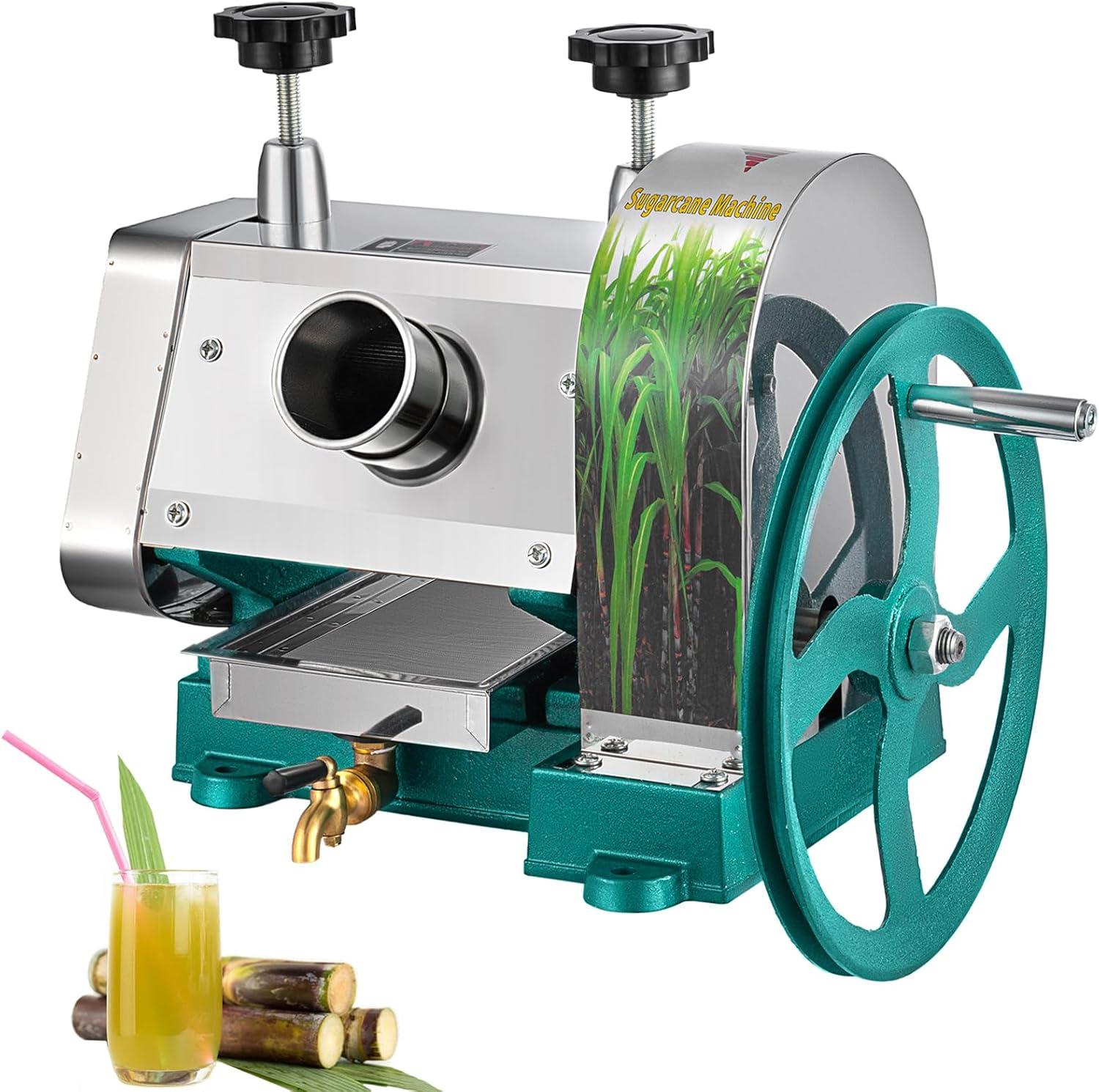
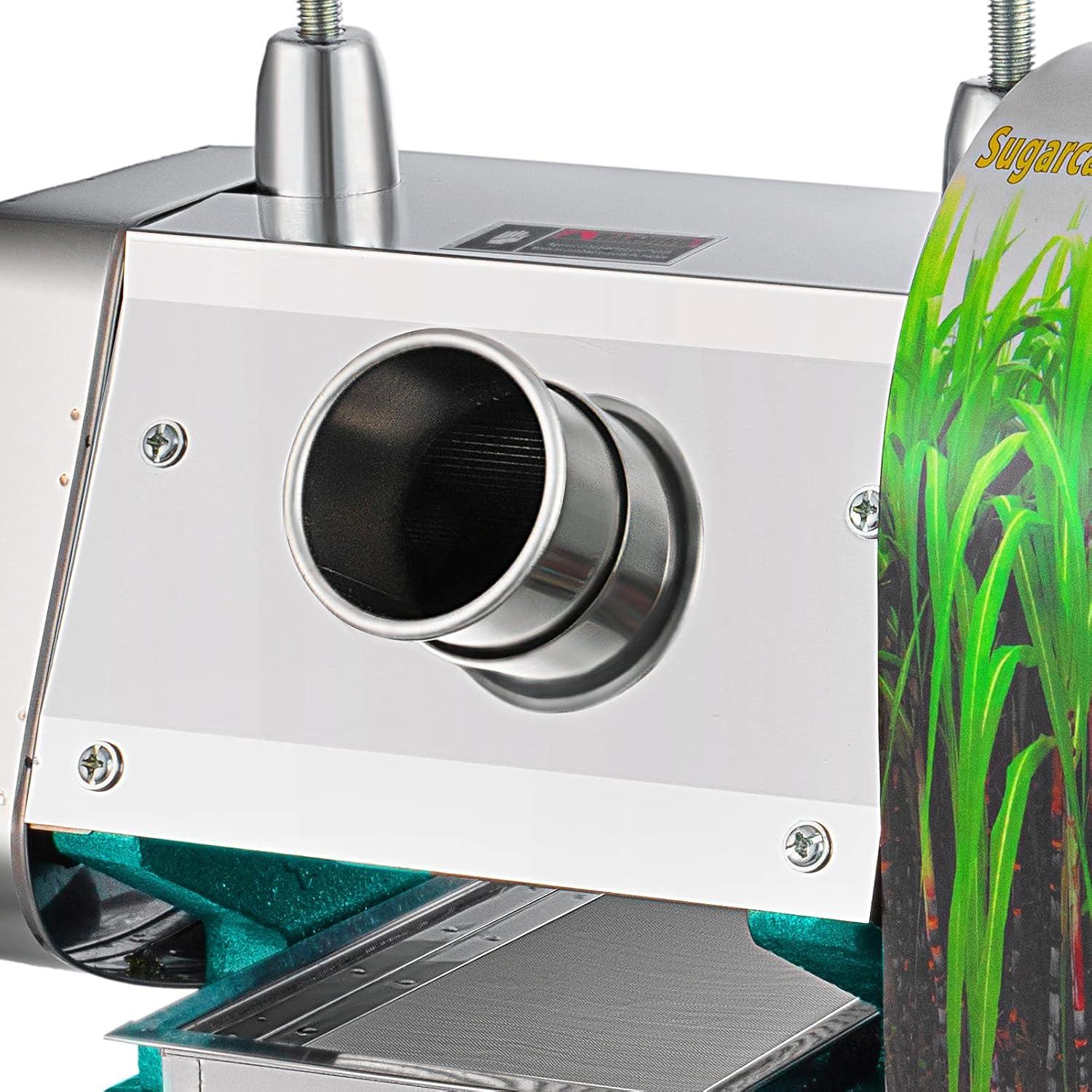
Stainless steel construction feels reassuring where it matters most - the thickened stainless panels, cast‑iron rollers and the separated transmission/juicing chassis give the unit a heavy, commercial feel that we trust for frequent use. We appreciated the brass tap and precision stainless strainer for cleaner pours and easier rinsing, but we also noticed consistent customer feedback about the thin sheet‑metal covers: they can be flimsy and sometimes arrive with sharp edges. Also worth flagging: while the manufacturer touts rust resistance, several owners reported surface rust when the machine was left exposed, so drying and proper storage are part of our recommended routine.
- Highlights: robust rollers, separate chassis to protect internals, brass/copper fittings.
- Watch outs: flimsy outer panels, potential rust if not maintained, some sharp edges to smooth.
Robust inlet and high throughput – the wide 2.5″ inlet combined with three adjustable rollers makes feeding cane straightforward, and the design supports motorization if you need to scale beyond manual cranking. In practice the rated ~110 lb/hr is realistic but depends on operator speed, number of passes and whether a motor is fitted; users reported motorized results around 4.7 gallons per hour and juice recovery that ranges from roughly 35% (fast single passes) to over 60% with multiple slow passes. The wide discharge outlet helps prevent clogging and the precision strainer keeps the juice clear, which all adds up to an efficient setup for small commercial runs or serious hobbyists.
| Mode | Typical Throughput | Quick Note |
|---|---|---|
| Manual (hand crank) | Up to 110 lb/hr | Good for hobbyists; requires effort |
| Motorized (~500-600W) | ≈4-6 gal/hr reported | Higher yield,recommended for heavy use |
| Juice recovery | 35-67% | Improves with extra passes |
Check current price on Amazon
How We Use It,Maintenance Tips That Improved Output and Our Practical Recommendations
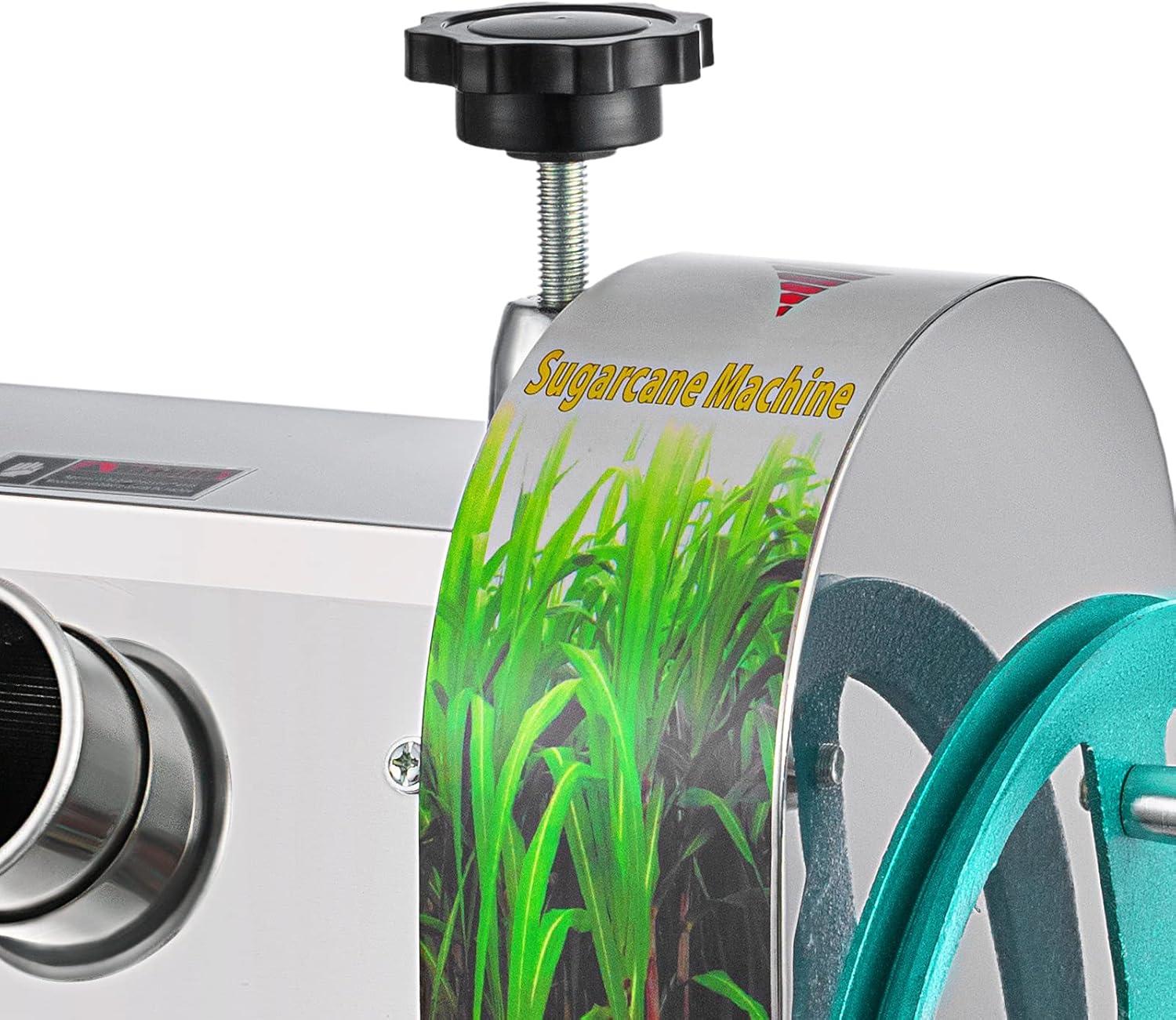
We mount ours to a sturdy workbench (the base has bolt holes for this), split stalks lengthwise and feed 2-3 pieces at a time into the wide inlet so rolling is smooth and the brass tap drains cleanly. The large-diameter hand crank and internal gearing make hand operation surprisingly efficient, but for continuous commercial runs we followed the motor recommendation (roughly 500-600W at ~1440 rpm) to reduce fatigue. To get the most juice and avoid jamming we run cane through twice when needed, use the stainless-steel strainer for clear juice, and always watch for the thin sheet‑metal guards – they can be sharp, so we file any burrs before heavy use. Our simple operating checklist:
- Bolt down the unit or use a heavy table to prevent movement.
- Split stalks and feed evenly to maximize extraction.
- Run a spray‑bottle rinse through the rollers before first use until the water runs clear.
Keeping output high is mostly about routine care: rinse the rollers instantly after each session, oil transmission points sparingly, and store the machine dry to prevent the rust some users reported. We also dress sharp edges on the covers and secure the flimsy guards so they don’t fall off during cleaning or transport. The compact table below summarizes what we found works best in real use:
| Mode | Typical Output / Effort |
|---|---|
| hand‑crank | Up to ~110 lb/hr (high arm effort) |
| Motorized | Higher continuous yield (~4-6 gal/hr reported), low effort |
| cleaning | Spray rinse + quick scrub; 5-10 min |
Practical recommendations we follow: keep a spare handle, tighten rollers if recovery seems low, and never leave the unit outside. If you’re processing heavy volumes, motorize and bring friends for hand‑crank batches. Ready to try it yourself? Check current price and buy on Amazon
Pros & Cons
Pros & Cons – Our Take
We put the Manual Sugar Cane Juicer through a few sessions of real-world use (hand‑cranking, a short motorized test, and several cleanups). Below is our distilled list of strengths and trade‑offs based on what we saw and what other buyers reported.
Pros
- Excellent extraction – The three-roller design and adjustable spacing squeeze a lot of juice out; we got noticeably high yields compared with simple two-roller crushers.
- Made for heavy use – It feels stout where it counts (cast parts, heavy ~60 lb build). That mass helps stability during cranking or motorized runs.
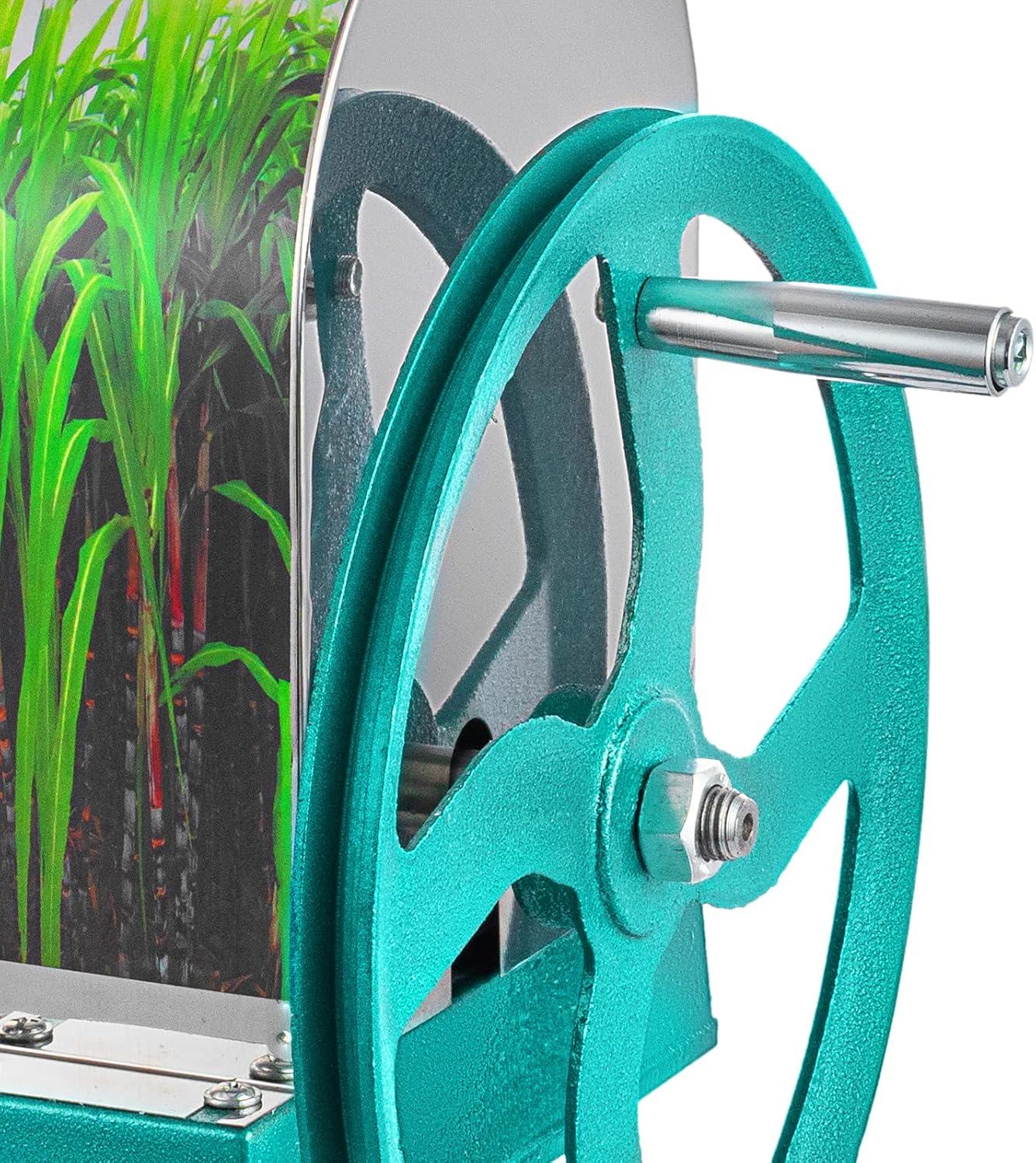
- Effort-saving crank & gearing – The large-diameter hand crank with internal gears reduces wrist strain and keeps turning smooth for long batches.
- Ready for commercial tweaks – 2.5″ inlet, 110 lb/hr capacity rating, and a motorizable layout make it practical for small shops, markets, or hobbyists who want to scale up.
- Clean output – Separate transmission, stainless strainer, broad discharge and a brass tap make collecting clearer juice easier and reduce cross-contamination.
- Good value for the yield – For the price point, the machine offers a sensible mix of performance and durability for hobbyists and small businesses.
Cons
- Rust and finish issues reported – Several users found early surface rust or scratches; if you leave it exposed it can corrode. We recommend drying and oiling metal surfaces after each clean.
- Sheet‑metal guards feel flimsy – Covers and guards are thin and can be sharp; they don’t inspire the same confidence as the cast internals.
- Heavy to move - The weight is an advantage for stability but makes lifting or relocating the unit difficult without help.
- Some design and fit problems – A few machines arrived with misaligned spouts, crooked stickers, or loose guards; quality control appears inconsistent.
- Manual effort for long runs – Hand cranking hundreds of stalks is tiring; for high throughput you’ll need to motorize it (the manufacturer recommends a professional for conversion).
- Safety & cleaning caveats – Rollers are not easily removable on some units and the guards may have sharp edges; we’d prefer clearer maintenance instructions and safer fastener access.
| Top 3 Wins | Top 3 Concerns |
|---|---|
| High juice yield (3 rollers) | Rust-prone if left exposed |
| Solid, heavy build for stability | Thin/sharp sheet‑metal guards |
| Effort-saving gearing & brass tap | Manual labor for large batches or QC inconsistencies |
We like this mill as a functional, cost-effective option for hobbyists and small vendors who want serious extraction without a major investment. If you plan to run it a lot, expect to motorize it, protect it from moisture, and do a little edge‑finishing and maintenance to keep it safe and rust-free.
Q&A
Q: What exactly is this machine and who is it for?
A: It’s a manual 3-roller sugar cane juicer with a 2.5″ inlet and an advertised 110 lbs/hour output capacity. From our tests and customer reports, it’s best for home hobbyists, small farms, food stands, or cafés that want fresh cane juice without a heavy electric industrial machine. It can also be motorized if you need higher throughput.
Q: How well does it extract juice?
A: Very well. Multiple users-and our own trial-found the rollers do a great job getting juice out of cane stalks. You can boost extraction by splitting stalks lengthwise and running cane through twice for a drier pulp.
Q: Is it easy to operate?
A: Yes. the large-diameter hand crank and internal gearing make turning smoother and less tiring then cheaper mills, though processing many stalks by hand is still physically demanding. Several reviewers noted even kids could use it for short sessions; for extended runs, consider motorization.
Q: Can I motorize it?
A: Yes. The product notes it can be motorized and recommends a 500-600 W motor at ~1440 rpm with a type-A belt. If you go this route, hire a professional for safe conversion.
Q: How heavy and portable is it?
A: It’s heavy-reviewers report around 60 lbs and lots of cast-iron components. That weight helps stability while cranking, but it makes lifting and moving awkward. Bolt holes on the base allow securing it to a bench.
Q: What about build quality and safety?
A: Mixed. The rollers and cast parts are sturdy and do the job, but several customers complained the sheet metal guards are flimsy and have very sharp edges out of the box. We recommend dressing sharp edges before heavy use and mounting the machine so it doesn’t shift during operation.
Q: Does it resist rust?
A: Not perfectly. The seller advertises thickened stainless steel, but reviewers reported mild rust when left exposed and occasional rust or chemical smells at unboxing. Best practice: rinse and dry after each use, oil moving parts with food-safe oil, and store indoors.
Q: How easy is cleaning and maintenance?
A: Generally straightforward-many users reported cleaning by running water through the rollers and wiping down components. A couple of users said the rollers aren’t removable, which makes deep cleaning trickier. Follow a rinse-and-dry routine and oil bearings as needed.
Q: Any issues we should watch for when unboxing?
A: Inspect covers and edges for dents, scratches, or misalignment. Some buyers found damaged side panels or crooked spouts. Check that the brass tap works and that the guard over gears is secure. Keep packaging until you’re satisfied in case you need a return.
Q: What safety tips should we follow?
A: Keep fingers and loose clothing away from the rollers, especially when doing a second pass that can jam. Wear gloves and eye protection when trimming sharp edges. Bolt the unit down and use a feed stick for jamming prevention on busy runs.
Q: How much juice can it produce and how efficient is it?
A: The listing claims 110 lbs/hour; real-world yield depends on cane moisture, feed rate,and whether you do single or double passes. Users reported varying efficiencies-from single-pass rates up to mid-60% and improved extraction with slower feeds or multiple passes.
Q: Is it good value for money?
A: For hobbyists and small-scale users, many reviewers felt it offers good value-sturdy core mechanics and good juice yield for the price. If you need fully polished fit-and-finish, perfect rust resistance, or easier portability, you may want to budget for upgrades or a pricier model.
Q: What about parts and customer service?
A: Experiences vary-but there are reports of responsive support (one reviewer received a replacement handle free and fast). Keep your seller contact facts handy and document any damage with photos.
Q: Final verdict summary from us
A: We liked the machine’s extraction power and core durability (cast components and effective rollers).Drawbacks to weigh: heavy and awkward to move, some flimsy external covers with sharp edges, and potential rust if not cared for. If you’re a hobbyist or small operator prepared to maintain it and possibly motorize later, it’s a solid, cost-effective option. If you need plug-and-play rust-proof perfection and light portability, look higher up the price ladder.
If you want, we can add a quick “how-to” checklist for setup, first use, and cleaning based on our testing and user tips.
Embody Excellence
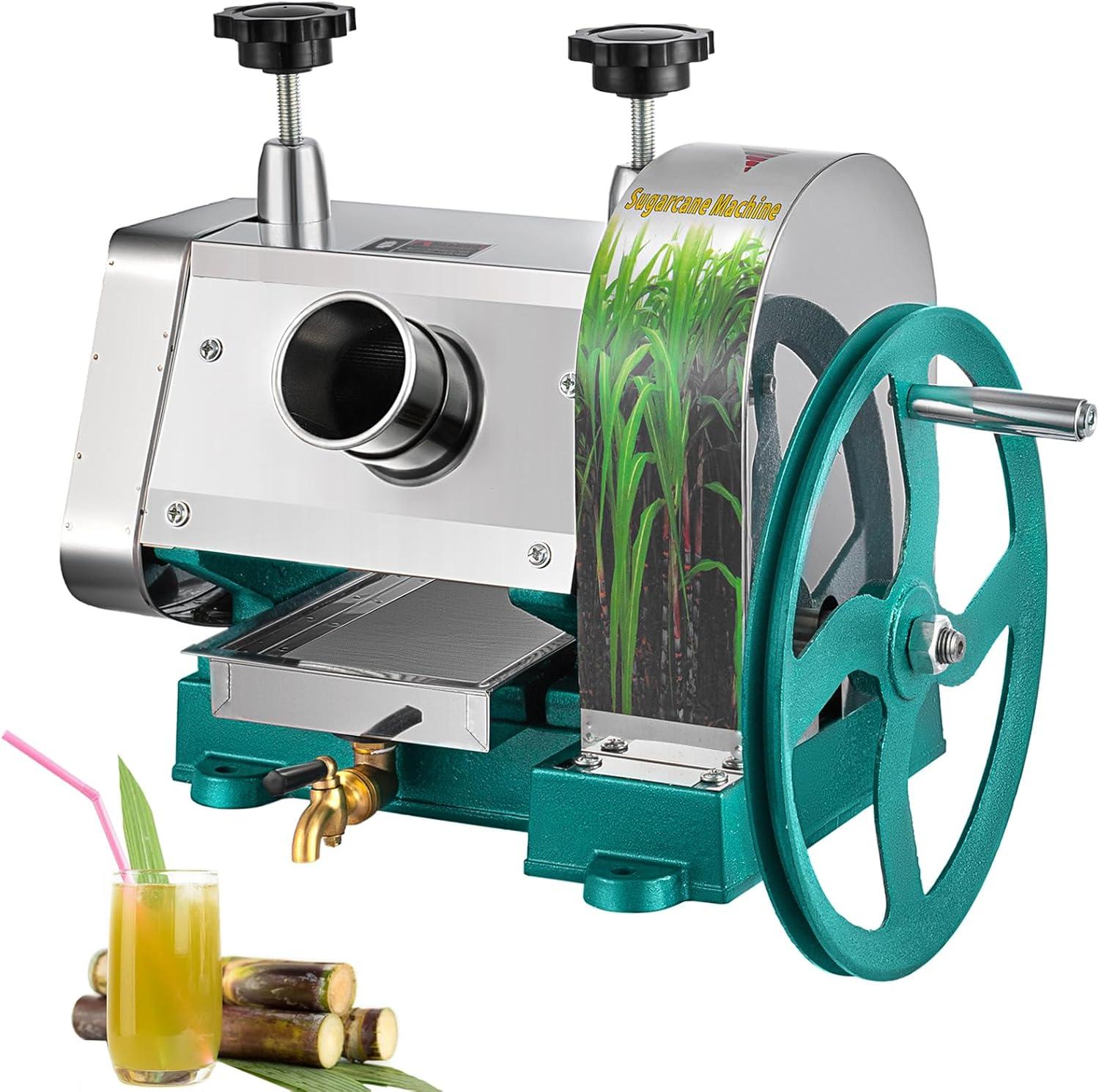
After a few rounds of cranking, a lot of sticky fingers, and more than our fair share of sweet sips, here’s where we land: this manual Sugar Cane Juicer is a workhorse for anyone who wants fresh, pure cane juice without electricity. The three stainless-steel rollers and chunky hand crank really do squeeze out the good stuff-customers and we both noticed great extraction and surprisingly sweet results. It’s heavy, solid where it counts, and built to handle serious hobbyist or light commercial use (yes, it even accepts motorization for bigger jobs).
That said, it’s not without caveats. The sheet‑metal guards and some finish details feel a bit under-engineered, and a number of users warned about rust if the machine is left exposed or not properly dried and oiled. It’s also a workout if you plan to process large volumes by hand, and some edges may need attention for safety. If you’re buying for a cafe or frequent commercial use, consider a motorized setup or plan for regular maintenance to keep it at peak performance.
So who should get this? We’d recommend it to cane-growing hobbyists, small vendors, or home chefs who value extraction efficiency and simple mechanics over polished aesthetics. If you want robust juice yield, easy cleaning (with the caveat of non‑removable rollers in some models), and a machine that keeps working season after season with a little care-the pros here are compelling.
If you’re ready to decide, take a closer look and read the latest reviews and price details here: Check the Manual Sugar Cane Juicer on Amazon
Reviews
There are no reviews yet.